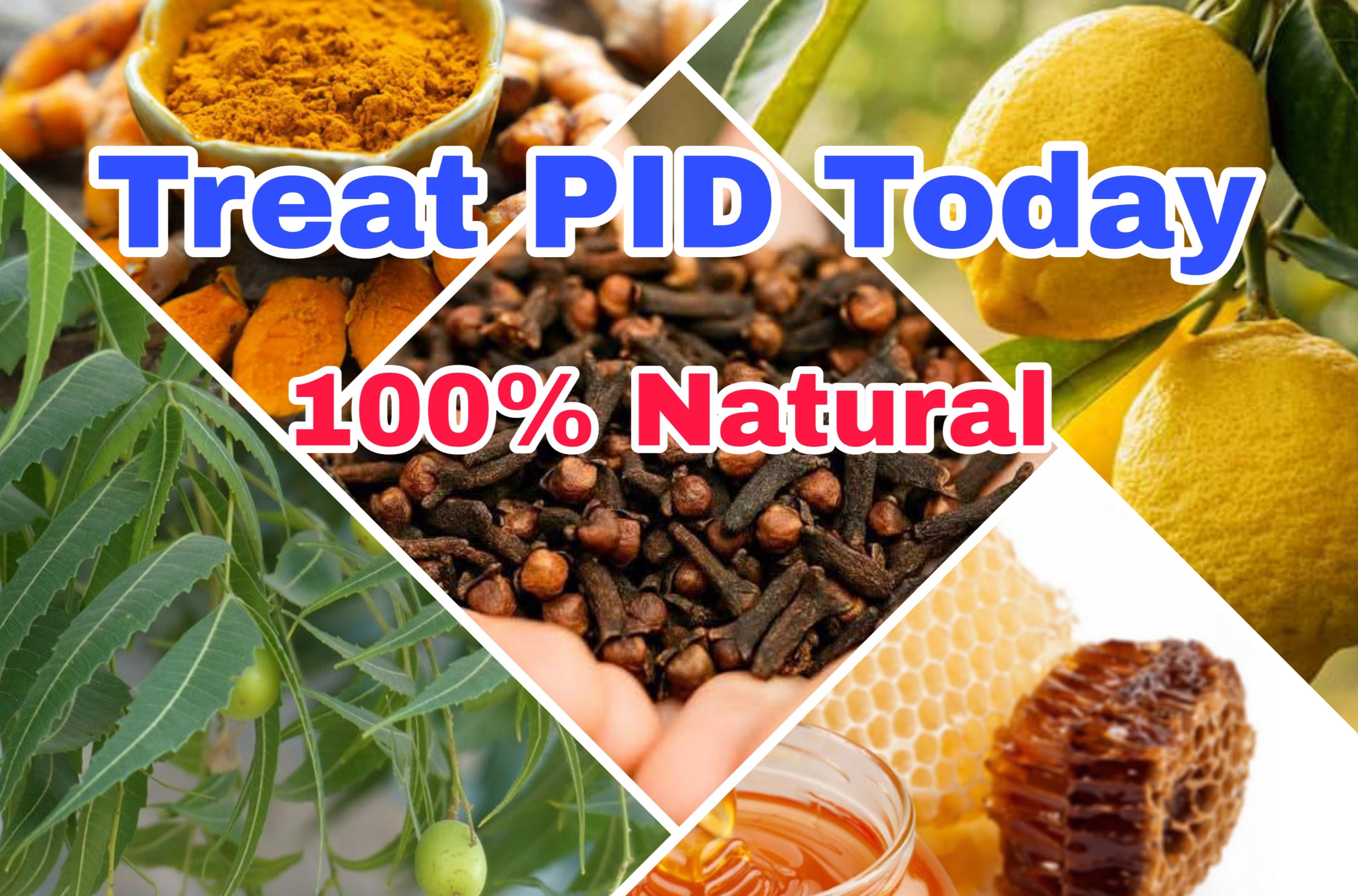
Pelvic Inflammatory Disease (PID): Causes, Symptoms, and Herbal Remedies in Africa
Category: Infection
Introduction
Pelvic Inflammatory Disease (PID) is a common but often overlooked health issue among women in Africa, including Ghana and Nigeria. Many women suffer in silence, either due to stigma or lack of awareness, yet untreated PID can lead to serious complications like infertility, chronic pelvic pain, and ectopic pregnancy.This article explains PID in simple terms, highlights common symptoms, and explores both conventional treatments and African herbal remedies that can support recovery.
What is Pelvic Inflammatory Disease (PID)?
PID is an infection of the female reproductive organs (the uterus, fallopian tubes, and ovaries). It usually occurs when bacteria travel upward from the vagina or cervix into these organs.The most common causes include:
Sexually transmitted infections (STIs) like gonorrhea and chlamydiaPoor hygiene after childbirth, miscarriage, or abortion
Use of unsterilized instruments during gynecological procedures
Frequent douching, which disrupts the natural vaginal balance
Symptoms of PID
Many women don’t notice symptoms early, which makes PID dangerous.Common signs include:
Pain in the lower abdomen or pelvisAbnormal vaginal discharge (yellow, green, or foul-smelling)
Pain during sex
Irregular menstrual bleeding or spotting
Burning sensation when urinating
Fever and chills in severe cases
If left untreated, PID can block the fallopian tubes, making it difficult or impossible to conceive naturally.
Conventional Medical Treatment
Doctors usually treat PID with antibiotics to clear the infection. In severe cases, hospitalization may be required. It’s also important that your partner gets treated if the infection is linked to an STI, to prevent reinfection.Combo Herbal Remedy for Pelvic Inflammatory Disease (PID)
Ingredients
-
Turmeric (1 teaspoon or fresh root if available) – anti-inflammatory

-
Lemon (1 fruit) – detoxifies and boosts vitamin C

-
Honey (1 tablespoon, optional) – soothes and adds taste

-
Ginger (a thumb-sized piece) – reduces pain and inflammation

-
Neem leaves (Dogoyaro) – antibacterial, antifungal

-
Garlic (2–3 cloves) – natural antibiotic

Preparation
1. Wash all fresh herbs (neem, ginger, turmeric).
2. Put a handful of neem leaves, sliced ginger, turmeric, and cloves into a pot.
3. Add about 1 liter of clean water and boil for 15–20 minutes.
4. Allow it to cool a little, then strain the mixture.
5. Add lemon juice and crushed raw garlic after boiling (to preserve strength).
6. Sweeten with a little honey if desired.
How to Take:
Drink half a cup, morning and evening, for 7–14 days.For extra relief, the warm decoction (without lemon and honey) can also be used as a sitz bath – sit over the steam or in the cooled liquid for 10–15 minutes.
Precautions
Lifestyle & Prevention Tips
Avoid alcohol, excessive sugar, and junk foods during treatment.Do not use during pregnancy without medical advice.
This herbal combo supports healing but does not replace antibiotics – it’s best used alongside hospital treatment for complete cure.
Practice safe sex (use condoms).
Avoid multiple sexual partners.
Do not douche, as it removes healthy vaginal bacteria.
Get regular STI screenings.
Maintain good personal hygiene, especially during menstruation.
Eat immune-boosting foods like moringa, bitter leaf, and citrus fruits.
⚠️ Important Note
While African herbs can support healing, they should not replace hospital treatment. PID is a serious infection, and untreated cases can lead to infertility. Always combine natural remedies with proper medical care.✨ Final Thoughts
Pelvic Inflammatory Disease (PID) is preventable and treatable. The key is early detection, proper medical care, and healthy lifestyle practices. African herbs like neem, ginger, garlic, turmeric, and clove can support the healing process naturally, but medical treatment remains the foundation.By raising awareness and encouraging women in Ghana, Nigeria, and across Africa to seek care, we can reduce the burden of PID and protect women’s reproductive health.
Tags: Infection